Director
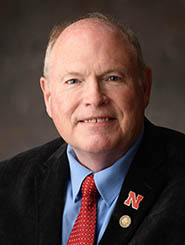
Scott McVey
Director, SVMBS
Associate Dean, PPVM
Professor
Office: 120 VBS
Phone: 402-472-2952
Email: dmcvey2@unl.edu
Faculty directory
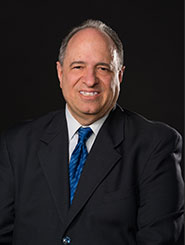
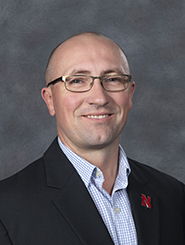
Halden Clark
Assistant Professor of Practice
Office: GPVEC
Phone: 402-762-4504
Email: hclark16@unl.edu
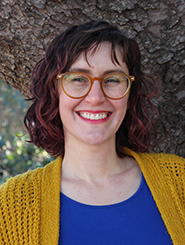
Shawna Clement
Assistant Professor of Practice
Office: 102 VBS Annex
Phone: 402-472-7306
Email: sclement2@unl.edu
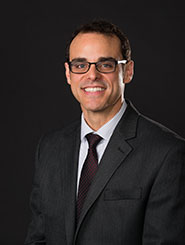
Roberto Cortiñas
Associate Professor of Practice
Office: 113 VBS
Phone: 402-472-6502
Email: rcortinas@unl.edu

Gustavo Delhon
Director of BSL3 Core Facility
Research Professor
Office: 203 VBS
Phone: 402-472-8538
Email: gdelhon3@unl.edu
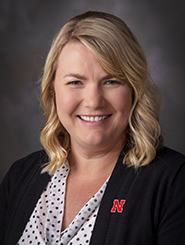
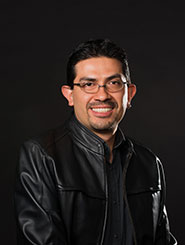
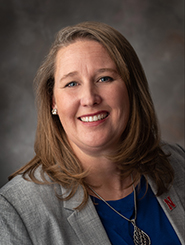
Rebecca Funk
Assistant Professor of Practice
Office: GPVEC
Phone: 402-762-4505
Email: rfunk2@unl.edu

Beth Galles
Assistant Professor of Practice
Office: 128 VBS Annex
Phone: 402-472-7306
Email: beth.galles@unl.edu



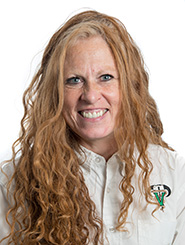
Greta Krafsur
Assistant Professor of Practice
Office: GPVEC
Phone: 402-762-4501
Email: gkrafsur2@unl.edu


Renee McFee
Coordinator, PPVM
Associate Professor
Office: 120B VBS
Phone: 402-472-7306
Email: rmcfee3@unl.edu



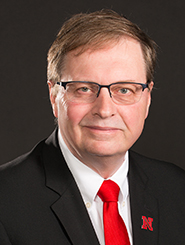

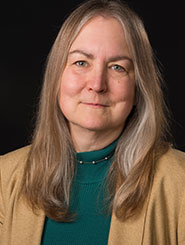
Patricia Sollars
Associate Professor
Office: VBS 222
Phone: 402-472-0146
Email: patricia.sollars@unl.edu

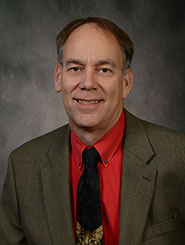
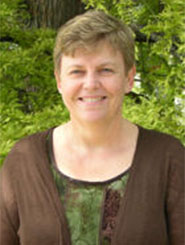
Christina Topliff
Associate Professor of Practice
Office: 115J NVDC
Phone: 402-472-1480
Email: ctopliff2@unl.edu
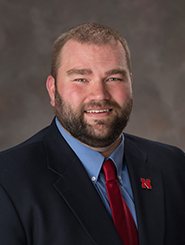
Brian Vander Ley
Assistant Director, GPVEC
Associate Professor
Office: GPVEC
Phone: 402-762-4503
Email: bvanderley@gpvec.unl.edu

Liz VanWormer
Associate Professor
One Health Coordinator
Office: 111 VBS
Phone: 402-480-6018
Email: liz.vanwormer@unl.edu
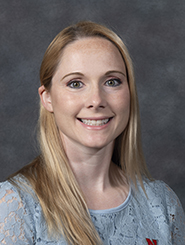
Amy Walton
Assistant Professor of Practice
Office: 124 VBS Annex
Phone: 402-472-7306
Email: awalton2@unl.edu


Adjunct faculty

Gayle B. Brown
Adjunct Senior Lecturer
Iowa State University
Phone: 515-294-7776
Email: gbbrown@iastate.edu
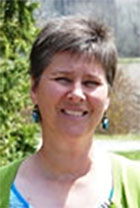
Carol Chitko-McKown
Adjunct Associate Professor
Roman L. Hruska U.S. Meat Animal Research Center

Daniel Ciobanu
Courtesy Professor
University of Nebraska-Lincoln
Phone: 402-472-8066
Email: dciobanu@unl.edu
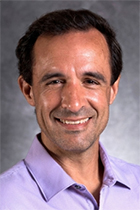
Jeffrey Cirillo
Adjunct Professor
Texas A&M College of Medicine
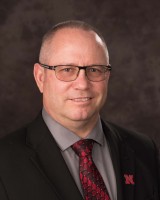
Kelly Heath
Courtesy Attending Veterinarian
University of Nebraska-Lincoln
Phone: 402-440-6577
Email: kheath3@unl.edu


Micah Kohles
Adjunct Associate Professor
Nebraska Animal Medical Center
Phone: 402-423-9100
Email: mkohlesdvm@yahoo.com

Larry Kuehn
Adjunct Associate Professor
Roman L. Hruska U.S. Meat Animal Research Center
Phone: 402-762-4352
Email: larry.kuehn@ars.usda.gov
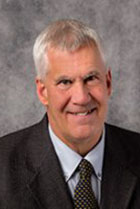
Eric Nelson
Adjunct Professor
South Dakota State University
Phone: 605-688-5653
Email: eric.nelson@sdstate.edu

Aimin Peng
Adjunct Professor
University of Nebraska College of Dentistry
Phone: 402-472-5903
Email: aimin.peng@unmc.edu

Lance Roasa
Adjunct Assistant Professor
University of Nebraska College of Law
Phone: 254-760-1131
Email: lance.roasa@gmail.com

Daniel Rock
Adjunct Professor
University of Illinois at Urbana-Champaign
Phone: 217-333-2760
Email: dlrock@illinois.edu
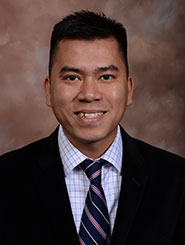
Hiep Vu
Courtesy Assistant Professor
University of Nebraska–Lincoln
Office: MOLR 110
Phone: 402-472-3354
Email: hiepvu@unl.edu

Bing Wang
Courtesy Assistant Professor
University of Nebraska–Lincoln
Phone: 402-472-2517
Email: bing.wang@unl.edu
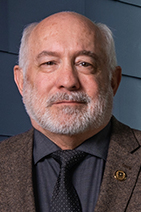
Neal Woollen
Adjunct
National Strategic Research Institute


Jeff Zimmerman
Adjunct Professor
Iowa State University
Phone: 515-294-1242
Email: jjzimm@iastate.edu
Post-docs
Veronica Montesinos Cruz
Post-Doctoral Research Associate
Phone: 402-472-6063
Email: vmontesinoscruz3@unl.edu

Bikash Ranjan Sahoo
Post-Doctoral Research Associate
Office: 109 MOLR
Phone: 402-472-1067
Email: bsahoo@huskers.unl.edu

Liu (Leah) Wang
Post-Doctoral Research Associate
Email: wangliu8405@163.com