Content
Inside the Virology Laboratory
By Seth Lewin
The virology laboratory at the Nebraska Veterinary Diagnostic Center (NVDC) helps protect animal health by testing for diseases that affect livestock, pets, and wildlife. Additionally, they provide critical surveillance for rabies. Every day, the lab works behind the scenes to provide veterinarians and animal owners with reliable results that support treatment decisions, herd management, breeding decisions, and disease prevention. Led by lab manager Seth Lewin, the virology team includes Liping Xie, Carita Kordik, Amy Lingel, and Emily Schumacher.
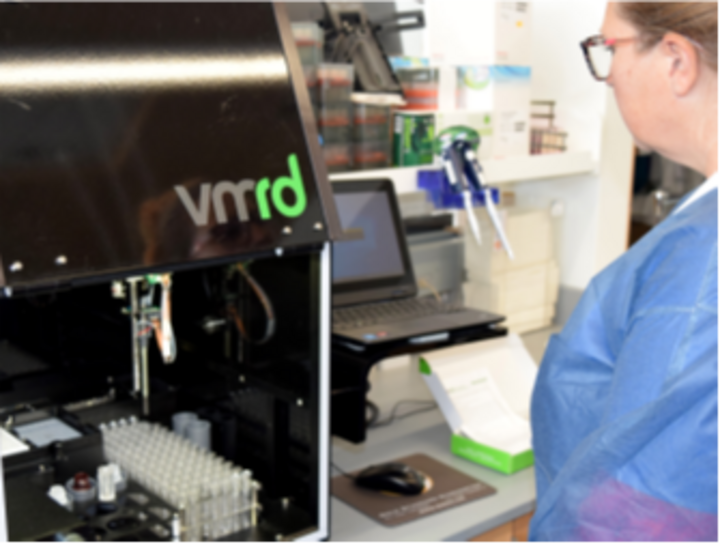
The bulk of the lab’s work involves blood-based testing that looks for antibodies, which are indicative of viral infection or immunity from vaccinations. One method the virology lab relies on heavily is the Enzyme-Linked Immunosorbent Assay (ELISA), which produces a visible color change when a target pathogen or antibody is present. While most of the ELSA testing is completed manually by team members, the lab also contains some automated equipment to increase testing capacity during busy periods.
In addition, the laboratory performs specialized tests that measure whether antibodies in a sample can stop a virus from infecting cells. These tests give veterinarians a functional result to determine how long ago the animal was infected or if a vaccine may be effective by testing the strength of immune response.
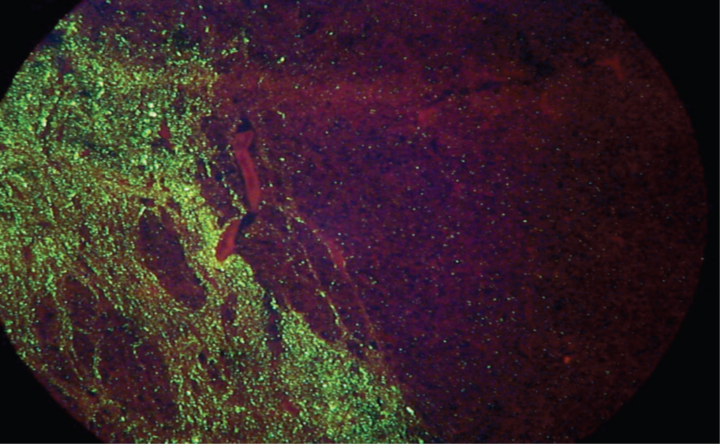
The NVDC supports rabies testing, a vital public health service, for Nebraska. Using fluorescent antibody staining and microscopy, the lab can detect the rabies virus in animal brain tissue, helping guide timely decisions that protect both people and animals.
By combining skilled team members, automated technology, and proven testing methods, the NVDC Virology Laboratory plays an essential role in monitoring and supporting animal health and testing for diseases that are fatal to humans, benefiting veterinarians, producers, animal owners and the public throughout Nebraska and the Midwest.
Overzealous Ovary with an Identity Crisis
NVDC case report of a canine ovarian teratoma
By Dr. Matt Hille
What was anticipated to be a routine ovariohysterectomy surgery performed recently on a young female Labrador in Nebraska resulted in the surgeon finding a dramatically enlarged left ovary.
After the surgery was completed, both ovaries and the excised uterus were submitted to the NVDC for histopathology. On the submission form, the rDVM reported the left ovary was approximately five times the size of the right ovary which was grossly normal.
Sections examined from the right ovary and uterus appeared within normal limits. The tissue from the left ovary contained an expansile mass that compressed adjacent ovarian tissue at the periphery. The neoplasm was composed of an array or moderately well differentiated but poorly organized tissue types that included tissues from each of the primordial germ cell layers. Elements exhibiting mesodermal tissue included cartilage, muscle, adipose tissue, and fibrovascular connective tissue. Hair follicles, cystic structures lined by keratinizing squamous epithelium, lobules of sebaceous cells, apocrine glandular tissue, nerves, and neuropil-like tissues were observed representing ectodermal components. Additionally, there were glandular lumina lined by endodermal-type glandular epithelial cells. These histologic characteristics warranted the diagnosis of an ovarian teratoma.
Ovarian teratomas are uncommon but well described in domestic animals, particularly in dogs and horses. By definition, these are tumors composed of relatively normal tissue from at least two of the three different germinal layers. I have found however, that there is an unwritten rule amongst veterinary pathologists that you must make every attempt to find all three, no exceptions. This may require what most would consider a completely unjustifiable amount of time scouring the sections after the diagnosis is confirmed, but I didn’t make the (unwritten) rules.
Teratomas are assumed to arise from pluripotent cells of the respective germinal layers. Tissues such as hair follicles, epithelial cysts, ciliated respiratory-like epithelium, glandular ducts, cartilage, bone, muscle, nerves, and tooth structures are commonly found in teratomas. While any of the tissues present in a teratoma can have malignant potential, the vast majority are benign and cured by surgical excision. This fact, coupled with the numerous different possible types of tissues one may find histologically tend to make teratomas a rare “fun” tumor to examine histologically.
Generalized Adult-onset Demodicosis in a Great Dane
NVDC case report
By Dr. Matt Hille
Fresh and fixed tissues were received from a 10-year-old Great Dane with severe multifocal dermatitis of 5-6 months duration. The referring veterinarian noted pruritus with ulcerative and exudative skin lesions present on the forelimbs, back, and face that responded favorably to a variety of combination treatment modalities but would consistently recur shortly after steroid administration was stopped. The forelimbs exhibited subcutaneous edema and exudative discharge from the skin lesions according to the history. A swab was also submitted from a draining lesion on the distal hindlimb.
Aerobic culture: Staphylococcus pseudintermedius was isolated from both the fresh skin biopsies and swab.
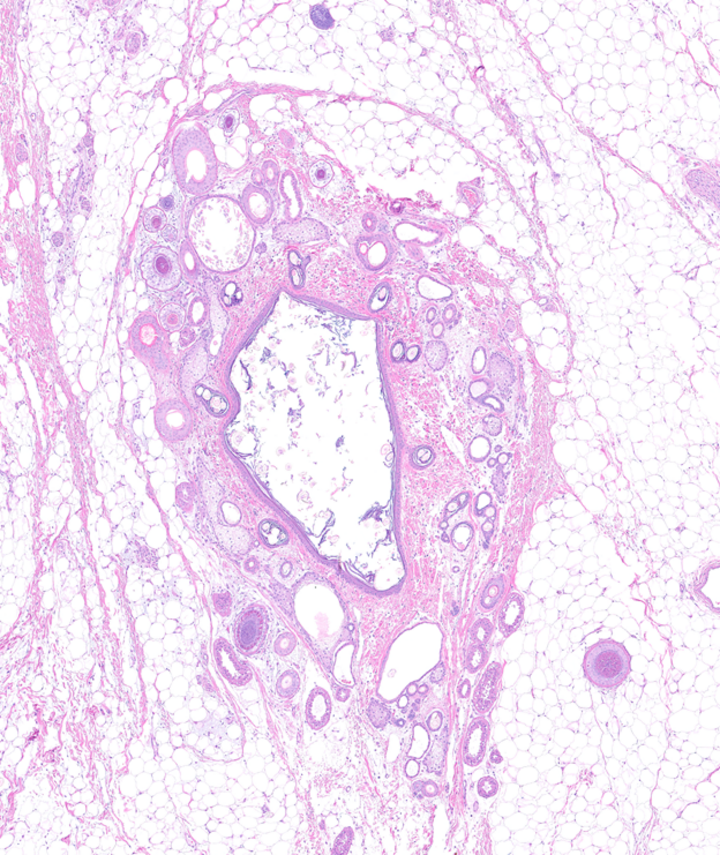
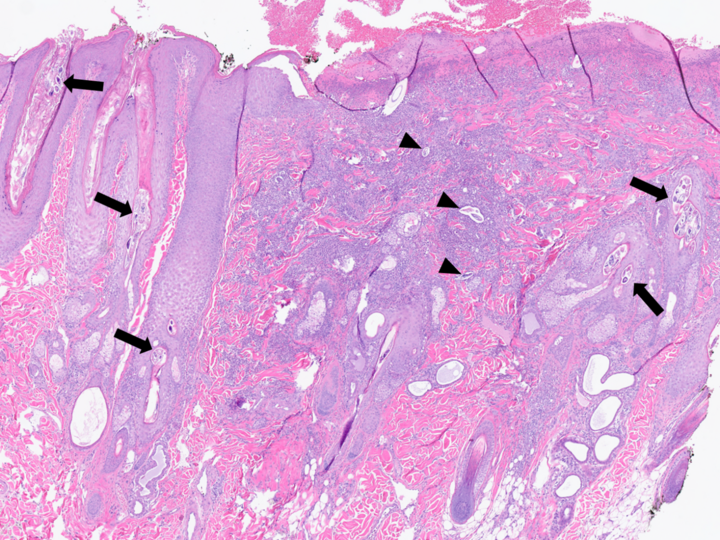
Histopathology: Nearly all hair follicles contained numerous intrafollicular mites or mite fragments mixed with keratin debris. The hair follicle epithelium was often markedly hyperplastic, and pigmentary incontinence was noted within the adjacent dermis. The dermis was infiltrated with large numbers of mixed inflammatory cells composed mostly of neutrophils with fewer macrophages and occasional lymphocytes. The inflammation dissected throughout the dermis but also formed loose coalescing aggregates surrounding mites present free within the dermis. The overlying epithelium was multifocally ulcerated and covered by a mixture of eosinophilic fluid, necrotic debris, fibrin, and hemorrhage. Where the epithelium was intact, it was moderately hyperplastic. The inflammation was mostly focused within the dermis, although some pyogranulomatous foci surrounding mites were noted in the subcutis.
Morphologic diagnosis: Haired skin; severe, chronic, multifocal to coalescing, pyogranulomatous, ulcerative and hyperplastic dermatitis with abundant intrafollicular Demodex mites, folliculitis, and pigmentary incontinence
Etiologic diagnosis: Generalized adult-onset demodicosis, severe
Adult-onset demodicosis is most often attributed to immunosuppression leading to T lymphocyte dysfunction. The immunosuppression can be caused by underlying processes such as Cushing’s disease, hypothyroidism, iatrogenic corticosteroids, and neoplasia, among others. Untreated cases of severe generalized disease pose a substantial risk of sepsis from secondary opportunistic bacterial skin infections which can be life-threatening. There are reports of the adult-onset form of the disease in numerous breeds, with some sources citing a higher risk among large breeds, including the Great Dane.

Please welcome our two newest members of the bacteriology department—Nicole Rettig and Jayden Robinson! Both are research technicians in the lab.
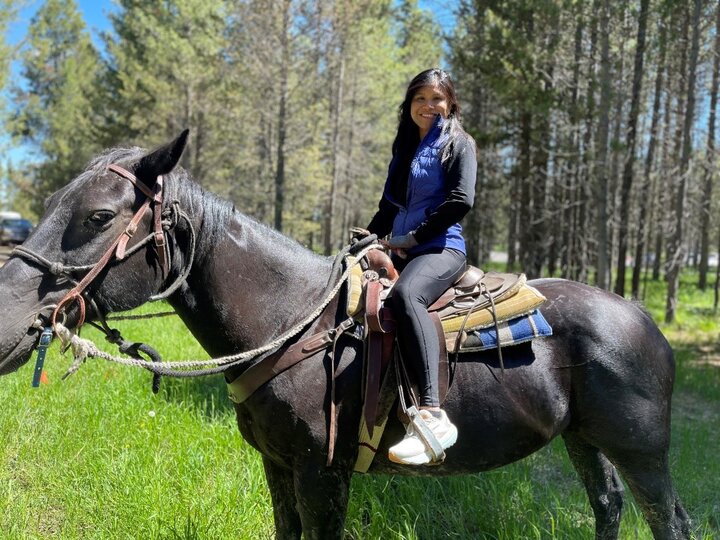
Dr. Duan Loy is an assistant professor in the School of Veterinary Medicine and Biomedical Sciences at the University of Nebraska–Lincoln and a veterinary diagnostic microbiologist at the NVDC, where she leads the virology and molecular diagnostics section. Her role focuses on scholarly service supporting animal health, disease surveillance, and diagnostic innovation.
Dr. Loy earned her doctor of veterinary medicine from Kasetsart University (Thailand), a master of veterinary surveillance from Murdoch University (Australia), and a doctorate in veterinary microbiology from Iowa State University. She is a Diplomate of the American College of Veterinary Microbiologists (DACVM) with board certification in virology.
Dr. Loy has extensive experience in veterinary diagnostic laboratory leadership, including preparedness for emergency outbreaks of foreign animal diseases (FAD), such as foot‑and‑mouth disease (FMD), African swine fever (ASF), and highly pathogenic avian influenza (HPAI). Her research interests include molecular diagnostics, digital PCR applications, molecular epidemiology, antimicrobial resistance surveillance, and One Health approaches to emerging and transboundary diseases.
Outside of work, Dr. Loy enjoys gardening, running, traveling, and cooking Thai food.
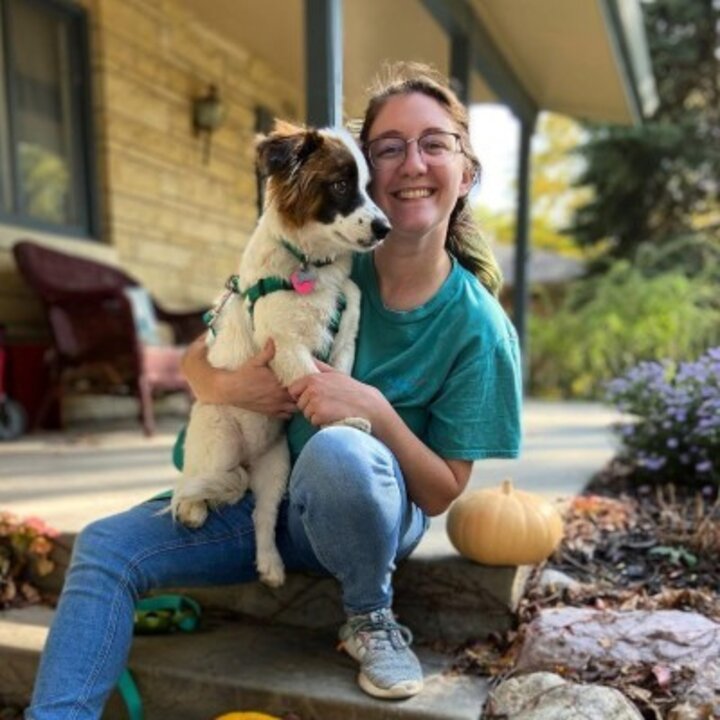
Emily Schumacher is a virology research technician at the NVDC. She received her undergraduate degree in biology at Nebraska Wesleyan University, and after graduating in 2018, she interned at Turquoise Bay Resort in Roatán, Honduras where she received various SCUBA certifications including her Divemaster. She then worked on a cruise ship, traveling along the Puget Sound up to Alaska for the next year before finding her way back to Lincoln.
Emily worked at Neogen Corporation for five years in both laboratory and data-focused roles before joining the NVDC in early 2025.
Outside of work, she enjoys spending copious amounts of time with her dog (Lady), as well as cooking, playing board games, listening to music, and watching movies (of which she is always looking for recommendations).
Never a dull moment at the home of NVDC Quality Manager Debra Royal

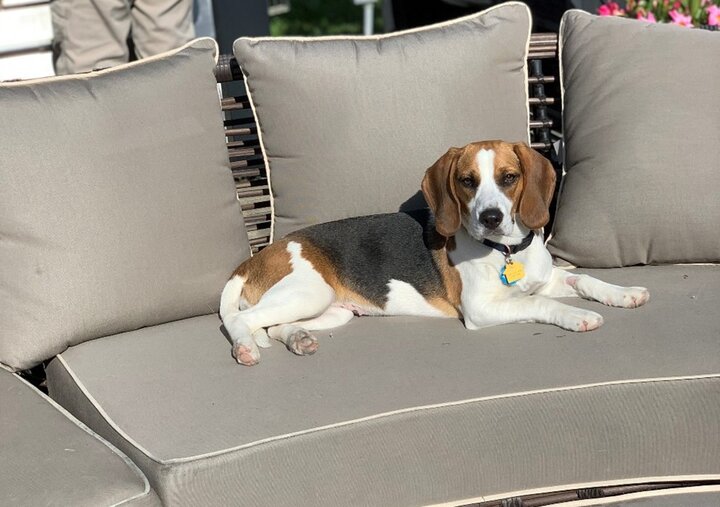
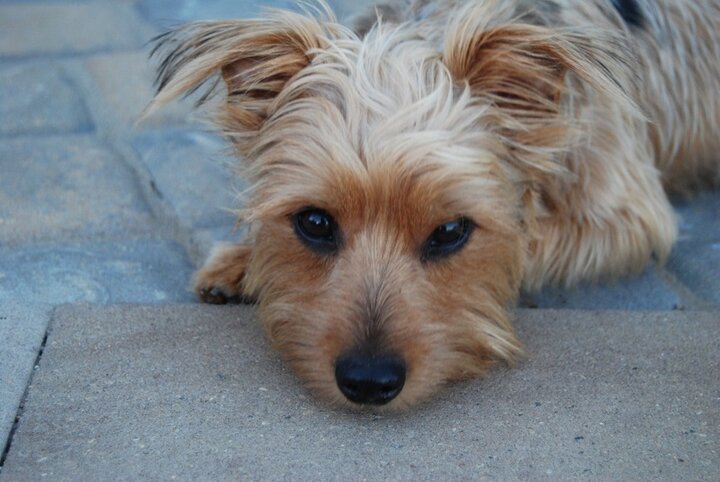
With three dogs—two beagles and a yorkie—life is full of activity.
Bentley joined the Royal household in April 2018 when the PPVM program adopted out the beagles from that year’s program. Once full of energy, Bentley has mellowed with age and, at eight years old, is now a calm companion. He loves people and simply can’t understand why anyone wouldn’t want to pet him.
Portia came along in January 2021, adopted from a local family. She’s a classic beagle—driven by food and fascinating smells. Daily walks are her favorite, though they’re anything but straight lines. Nose to the ground and tail up, she’ll track a scent until she’s made to stop.
Then there’s Oliver, a fifteen-year-old yorkie and undisputed leader of the pack. He may be the smallest of the trio, but his attitude is the biggest!